ELIAS_VANCE
Games should make you feel something you cannot name — and spend the rest of your life trying to.
The work before the work.
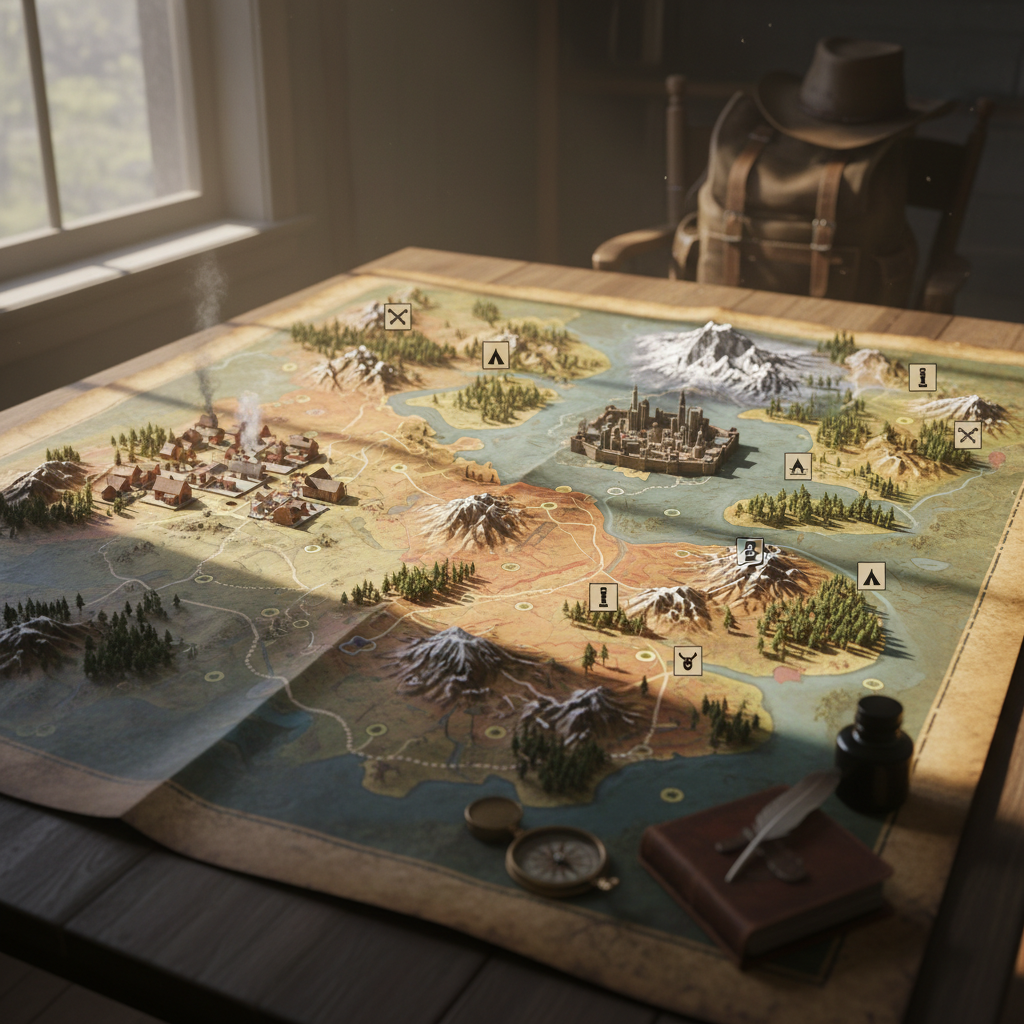
Level design treated like clockwork engineering. Every system interlocks. Every decision leaves a trace.
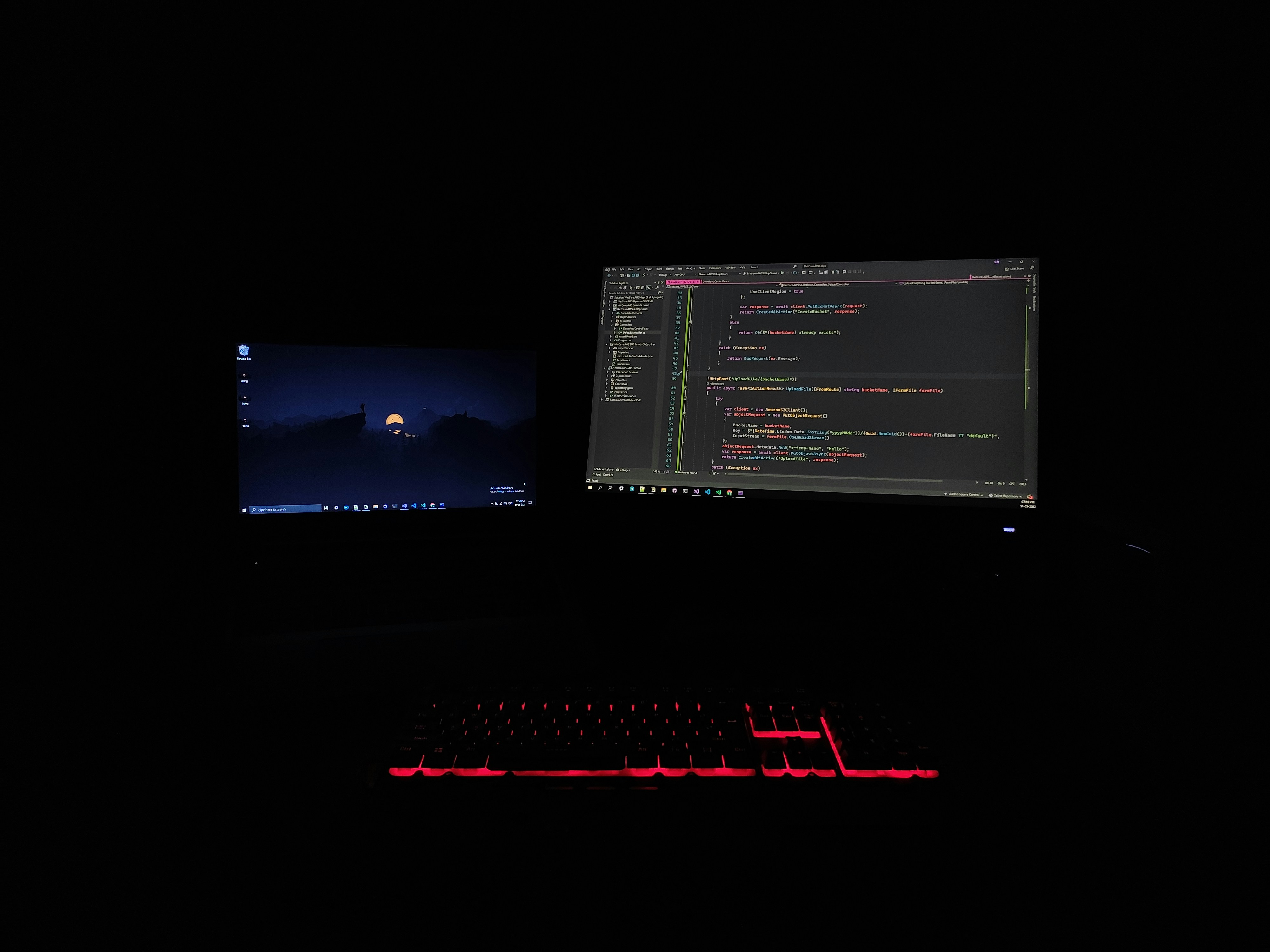

Observations from the workbench.
On the weight of a jump
The problem with most platformers is they confuse responsiveness with weightlessness. A jump should feel like a decision — not a reflex. Gravity is a design tool, not a physics constraint.
Clockwork vs. sandbox
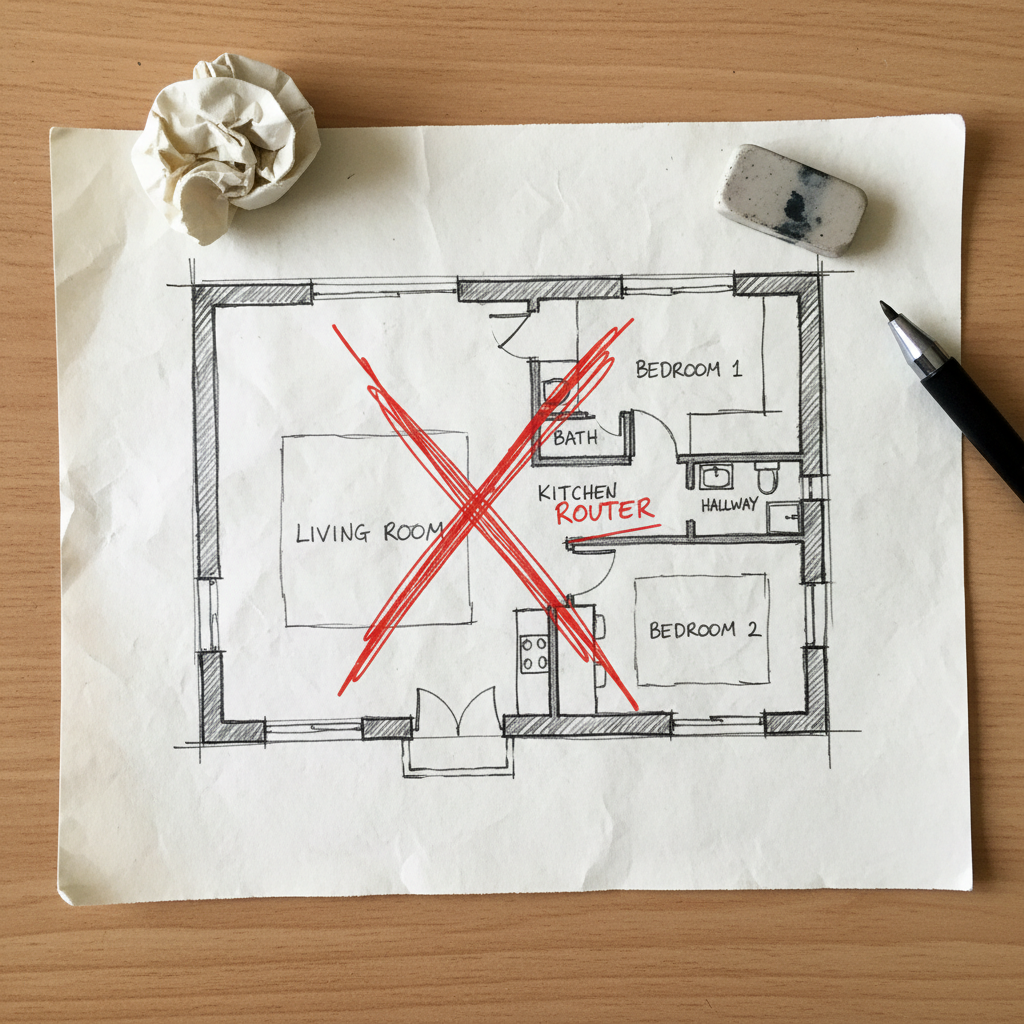
Level 4 prototype: every enemy patrol route interlocks. Pull one thread and the whole system reconfigures. Players haven't named it yet but they lean forward when they enter the room. That's the tell.
Coyote time: 8 frames
Tested 6f, 8f, 10f, 12f. 8 frames is the invisible number — players don't feel it, they just feel like they're good at the game. That's the goal. Never let them see the scaffolding.
Games that shipped.
Two released titles. Both built around a single mechanic that had to sing — or the whole thing would fall apart.
MERIDIAN
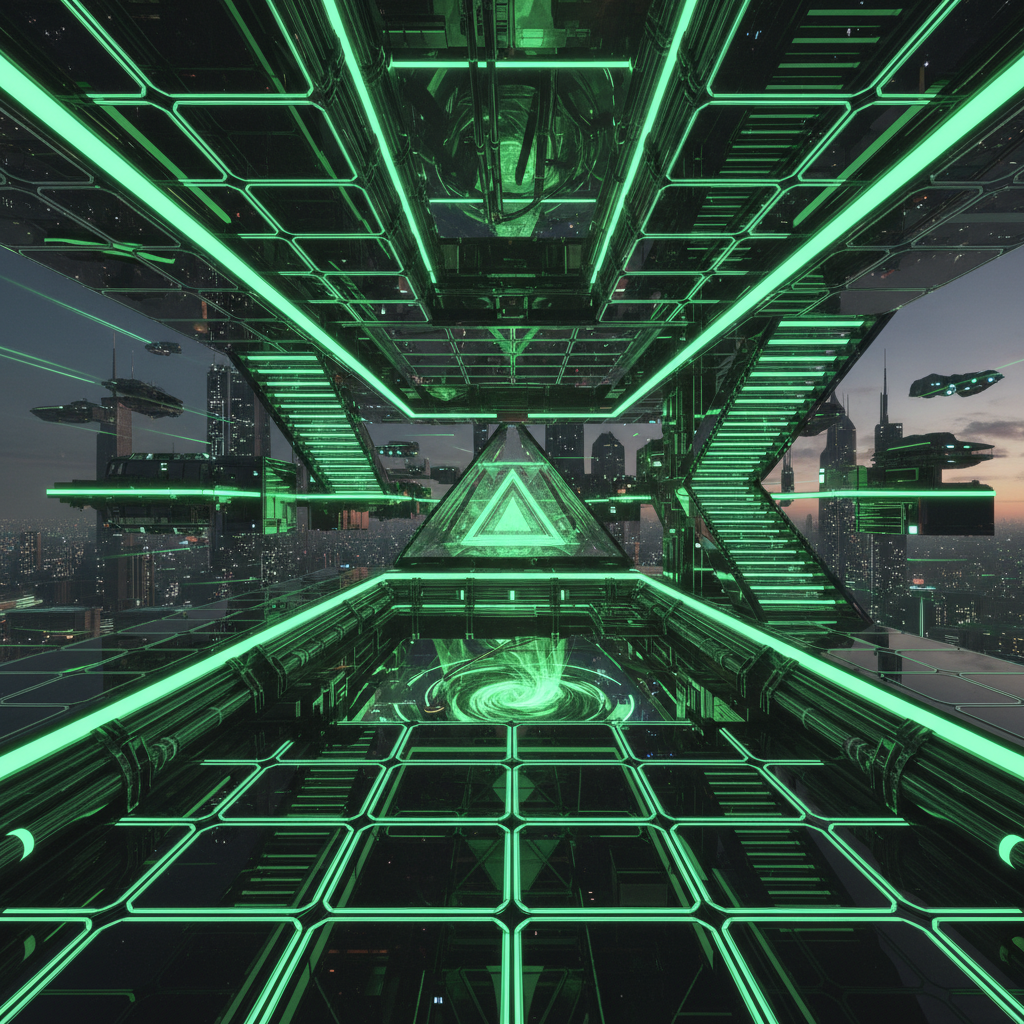
A puzzle-platformer where the level itself is the mechanic. Players rotate gravity wells to reshape traversal paths. Every room has exactly one elegant solution and seventeen wrong ones that teach you why.
HOLLOW FRAME
A narrative RPG where memory is the only currency. Dialogue choices consume recollections — spend the wrong ones and characters forget who you are. Shipped in 72 hours for a jam, extended to a full release.
Something is being built.
It's not ready to be named yet. But the bones are there, and they're the best ones I've ever designed.


Get Early Access to the Next Build.
Be the first to play. Designers get build notes. Players get playtest invites. Both get access before it's announced anywhere else.